  | |
Search for the supplies that you need here:
DMF Support and Documentations Available | |
 WHO-GMP Certified Good Manufacturing Practice Certified by World Health Organization |  WC, Written Confirmation for Active Substance to be imported into European Union (EU). |






 ------
8 Hydroxy Quinoline or Oxine or Quinolinol SDS of Manufacturers
Anmol Chemicals is a manufacturer supplier exporter of 8 Hydroxy Quinoline or Oxine or Quinolinol Pure and Analytical Reagent and it offers materials as per IP BP EP Ph Eur USP NF JP FCC Food Grade as per the the latest monograph at best prices. Anmol Chemicals Group, established in 1976, is the pioneer manufacturer of Specialty Chemicals, Pharmaceutical Excipients, Some API, Food Chemicals in India. Anmol Chemicals Group has manufacturing facilities spread across Western India, representatives in Houston, Chicago USA and Dubai, UAE. We also have toll manufacturing units for processing chemicals in a few countries around the world. We make IP, BP, EP, USP, NF, Ph. Eur., JP, FCC or Food Grade, Analytical Reagent Grade, LR or Laboratory Reagent Grades and Pure Grades of various chemicals. All our items are analyzed to meet the required standards. We can supply the product in grams for your laboratory trial and in tons for your plant scale jobs.
We manufacture Bulk Drugs / API, Excipients, Pharmaceuticals (IP BP USP NF Ph Eur EP JP), Specialty Chemicals (Pure/Reagent), Mineral Fortifiers (FCC). Our manufacturing facility is FDA approved and GLP, cGMP, ISO9001, ISO14001, ISO/IEC 17025, ISO22000, FSSC 22000, ISO45001, FSSAI, Kosher, HALAL, COPP, WHO-GMP certified and Written Confirmation (WC) is available. Solid materials can be customized for particle size, shape, and bulk density. We observe WHO Good Manufacturing Practices and Good Laboratory Practices. We are a government-recognized STAR Export House and "Authorised Economic Operator (AEO)" per Indian Customs.
All technical documents and DMF support available.


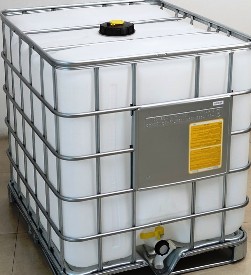
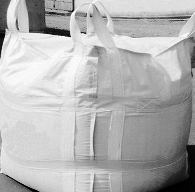
8 Hydroxy Quinoline or Oxine or Quinolinol Specifications of Manufacturers
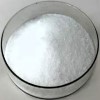
Synonyms: 8 Hydroxy Quinoline or Oxine or Quinolinol
CAS Number: 148-24-3, Molecular Weight: 145.16, Chemical Formula: C9H7NO, EINECS EC Number: 205-711-1, FEMA: ----,
8-Hydroxyquinoline or Quinolinol or Oxine SDS, Safety Data Sheet
MSDS Sheet, Material Safety Data Sheet 23-Feb-26
1. Product Identification
Product Name & Other Names: 8-Hydroxyquinoline or Quinolinol or Oxine.
CAS Number: 148-24-3
EINECS EC Number: 205-711-1
Molecular Formula: C9H7NO
Molecular Weight: 145.16
Relevant uses and uses advised against (if any): Industrial Manufacturing.
Suppliers: As per letterhead.
2. Hazards Identification
GHS, Globally Harmonized System Classification in accordance with 29 CFR 1910
Classification according to Regulation (EC) No 1272/2008
Acute toxicity, Oral: Category 3, H301
Serious eye damage, Category 1, H318
Reproductive toxicity Category 1B, H360
Acute aquatic toxicity Category 3, H402
Labeling according GHS USA & Regulation (EC) No 1272/2008
GHS Label Elements 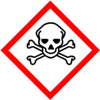 Toxic | GHS Label Elements  Health Hazard | GHS Label Elements 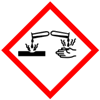 Corrosive |
Signal Words: Danger
Hazard Statements:
H301: Toxic if swallowed.
H318: Causes serious eye damage.
H360: May damage the unborn child.
H402: Harmful to aquatic life.
Precautionary Statements:
P202: Do not handle until all safety precautions have been read and understood.
P260: Do not breathe dust/fume/gas/mist/vapors/spray.
P262: Do not get in eyes, on skin, or on clothing.
P264: Wash contaminated parts thoroughly after handling.
P270: Do not eat, drink or smoke when using this product.
P280: Wear protective gloves/protective clothing/eye protection/face protection.
P301+P310: IF SWALLOWED: Immediately call a POSION CENTER or doctor/physician.
P314: Get medical advice/attention if you feel unwell.
P302+352: IF ON SKIN: Wash with plenty of soap and water.
P305+351+338: IF IN EYES: Rinse cautiously with water for several minutes. Remove contact lenses if present and easy to do – continue rinsing.
Classification according to EU Directives 67/548/EEC or 1999/45/EC:
Hazard Symbols:
T Toxic.
C Corrosive.
Xn Harmful.
Risk Phrases:
R25 Toxic if swallowed.
R41 Risk of serious damage to eyes.
R52 Harmful to aquatic organisms.
R61 May cause harm to the unborn child.
3. Composition/Information on Ingredients
Product Name & Other Names: 8-Hydroxyquinoline or Quinolinol or Oxine.
CAS Number: 148-24-3
EINECS EC Number: 205-711-1
4. First Aid Measures
Inhalation: Remove affected person to fresh air; if normal breathing has not returned within a few minutes after exposure, get medical attention.
Skin: Remove contaminated clothing; wash affected area with soap and water; launder contaminated clothing before reuse. Seek medical attention.
Eyes: Immediately, flush eyes for 15 minutes in clear running water while holding eyelids open; seek medical attention immediately.
Ingestion: Drink two glasses of water followed by milk, milk of magnesia or other non-alcoholic liquids; Do not induce vomiting; seek medical attention immediately.
Physician may treat symptomatically.
5. Fire Fighting Measures
Flammable Limits: No unusual fire or explosion hazards noted.
General Hazards: Contact with eyes causes immediate severe irritation of the eye and eyelids. Product will support combustion.
Extinguishing Media: Carbon dioxide, water fog, dry chemical, chemical foam.
Organics solids, may be ignitable. Keep containers cool by spraying with water. Use extinguishing media appropriate for surrounding fire.
Fire & Explosion Hazard: May evolve toxic fumes, oxides of carbon (COx), oxides of nitrogen (NOx) under fire conditions.
In case of fire, wear a full face positive-pressure self contained breathing apparatus and protective suit. Self - contained respiratory equipment; cool containers to prevent pressure buildup and possible explosion when exposed to extreme heat. Caution - material will support combustion!
Hazardous Combustion Products: Products of combustion include smoke, toxic fumes, oxides of carbon to include carbon monoxide and nitrogen oxides.
Specific Methods: Cool containers exposed to flames with water until well after the fire is out.
Special Information: In the event of a fire, wear full protective clothing and NIOSH-approved self-contained breathing apparatus with full face piece operated in the pressure demand or other positive pressure mode. At high temperatures under fire conditions, it may produce toxic or irritating fumes.
6. Accidental Release Measures
Personal precautions, protective equipment and emergency procedures: It may support combustion. Do not touch damaged containers or spilled material unless wearing appropriate protective clothing. Avoid breathing dust/fumes/gas/mist/vapors/spray. Use individual protective equipment (waterproof boots, suitable protective clothing, safety glasses, etc.). Restrict unprotected personnel from the area.
Environmental precautions: Do not let the product enter drains, soil or water sources.
Methods and materials used for containment Cleanup procedures and Storage: Contain spilled material. Cover with an inert, non-combustible absorbent material, (e.g. sand, earth, diatomaceous earth, vermiculite). Vacuum or sweep-up and remove to an approved disposal container.
7. Handling and Storage
Precautions for safe handling: Apply according to good manufacturing and industrial hygiene practices. Ensure proper ventilation. Wash thoroughly after handling. Do not drink, eat or smoke while handling. Avoid contact with skin, eyes and clothing. Minimize dust generation. Avoid breathing dust/fumes/gas/mist/vapors/spray. Provide appropriate exhaust ventilation at places where dust is formed. Keep container tightly closed. Avoid ingestion and inhalation. Use individual protective equipment (waterproof boots, suitable protective clothing, safety glasses, etc.). Prevent any contact with hot surfaces.
Conditions for safe storage, including any incompatibilities: Store in cool, dry and ventilated area away from heat sources and protected from sunlight in tightly closed original container. Keep air contact to a minimum. Do not leave the material container open. Store protected from heat, sparks and ignition sources and incompatible materials. Avoid inhalation of dust/mist/vapor. Do not store with incompatible materials like strong acids & oxidizing agent. Keep this and other chemicals out of reach of children.
8. Exposure Controls/Personal Protection
Engineering Controls: The use of local exhaust ventilation is recommended to control emissions near the source. Provide mechanical ventilation of confined spaces. Use corrosion-resistant, explosion-proof ventilation equipment.
Exposure Limits: Not established by any regulatory body.
Personal Protection: Respiratory Protection (Specify Type): None required while threshold limits are kept below maximum allowable concentrations; if TWA exceeds standard workplace limits, NIOSH approved respirator must be worn.
Hand Protection: Neoprene, butyl or nitrile rubber gloves with cuffs.
Eye Protection: Chemical safety goggles.
Other Protective Clothing Or Equipment: Apron, or other equipment should be worn to prevent skin contact, safety eyewash station nearby. Practice safe workplace habits. Minimize body contact with this, as well as all chemicals in general.
9. Physical and Chemical Properties
Appearance: White to off-white crystalline needles.
Odor: No data found.
Odor threshold: No data found.
pH: No data found.
Relative density: 1.034
Melting/Freezing Point: 72C to 76C.
Initial boiling point and boiling range: 267C literature.
Flash point: No data found.
Auto-ignition temperature: v
Decomposition temperature: No data found.
Upper/lower flammability or explosive limits: No data found.
Vapor pressure: No data found.
Vapor density: No data found.
Evaporation rate: No data found.
Flammability (solid, gas): No data found.
Partition coefficient: n-octanol/water: No data found.
Solubility in Water: No data found.
Viscosity: No data found.
10. Stability and Reactivity
Stability: Stable at normal temperatures and operating conditions.
Conditions to Avoid: Avoid excessively high temperatures and contact with acids or strong oxidizing agents. Air sensitive. Exposure to air. Exposure to light. Exposure to moisture. Light sensitive. Moisture sensitive.
Incompatibilities: Strong acids & Oxidizing Agent.
Decomposition: Decomposition yields toxic fumes, oxides of carbon (COx), oxides of nitrogen (NOx).
Polymerization: Polymerization will not occur.
11. Toxicological Information
Toxic if swallowed.
Toxicity Data:
LD50 Oral - Rat - 790 mg/kg
LD50 dermal - Rat - >10000 mg/kg
LC50 Inhalation - Rat - 1210 mg/kg
Reproduction: Suspected human reproductive toxicant.
Mutagenicity: Expected.
Carcinogenicity: Not listed as a human carcinogen by OSHA, IARC, ACGIH & NTP.
12. Ecological Information
Toxicity to fish: LC50 - other fish - 18 mg/l - 96 h.
Bioaccumulative potential: No data found.
Mobility: No data found.
13. Disposal Considerations
Dispose of in accordance with Local, State, and Federal Regulations. Consult local, state, or Federal Environmental Protection Agency before disposing of any chemicals.
14. Transport Information
DOT USA, TDG Canada & ADR/RID Europe
Proper Shipping Name: TOXIC SOLID, ORGANIC, N.O.S. (8-Hydroxyquinoline)
UN#: 2811; Class: 6.1; Packing Group: Packing Group III
IMDG/IMO & IATA/ICAO
Proper Shipping Name: TOXIC SOLID, ORGANIC, N.O.S. (8-Hydroxyquinoline)
UN#: 2811; Class: 6.1; Packing Group: Packing Group III.
15. Regulatory Information
SARA 311/312: See section 2.Section 16 - Additional Information
European Labeling in Accordance with EC Directives:
H301: Toxic if swallowed.
H318: Causes serious eye damage.
H360: May damage the unborn child.
H402 Harmful to aquatic life.
Classification according to EU Directives 67/548/EEC or 1999/45/EC:
Hazard Symbols:
T Toxic.
C Corrosive.
Xn Harmful.
Risk Phrases:
R25 Toxic if swallowed.
R41 Risk of serious damage to eyes.
R52 Harmful to aquatic organisms.
R61 May cause harm to the unborn child.
Disclaimer:
**************************
Our company provides this MSDS sheet in good faith but makes no representation as to its comprehensiveness or accuracy. This SDS sheet is intended only as a guide to the appropriate precautionary handling of the material by a properly trained person using this product. The above information has been compiled from various sources and has the possibility of discrepancy and being out-dated information. Individuals receiving the information must exercise their independent judgment and do further search in determining its appropriateness for a particular purpose. In no case shall our company be liable to loss or damages by the product user.
**************************



Manufacturer Supplier Exporter
ANMOL CHEMICALS Private Limited
Representatives in Houston, Chicago and New York, USA
TEL: (OFF) +91 22 65290102, +91 22 65290103
Taloja Navi Mumbai, Banglore, INDIA
e-mail: info@anmol.org
Copyright and Usual Disclaimer is Applicable
Last updated 5-mar-26
Exporters to USA, Canada, UAE, Kuwait, Qatar, Gautemala, Tunisia, Europe, South Africa, Bangladesh, Sri Lanka, Tanzania, Kenya, Egypt, Iraq, Turkey, Israel, Vietnam, Nigeria, Uganda, Brazil, Chile, Argentina, Dubai, UAE, Saudi Arabia, Cameroon, Mexico, Brazil, Chile, Argentina, Korea, Thailand, Malaysia, Indonesia, Jakarta, Australia, China, Germany, France, etc.
Representatives in New York, Houston - Texas, Chicago - Illinois, Los Angeles.
All products are Sold for Industrial and Laboratory Use only.
Fast Selling IP BP Ph Eur EP USP NF JP Analytical Reagent FCC Food Grades of Chemicals by Anmol Chemicals
Ammonium Persulfate --- Acetic Acid Glacial --- Aluminum Chloride --- Ammonium bicarbonate --- Benzyl Alcohol --- Butylated Hydroxyanisole --- Butylated Hydroxytoluene --- Boric Acid --- Calcium Butyrate --- Calcium Chloride --- Calcium Hydroxide --- Calcium Lactobionate --- Calcium Saccharate --- Carbamide Peroxide --- Calcium Oxide --- Calcium Sulfate --- Chromic Chloride --- Fumaric Acid --- Magnesium Butyrate --- Magnesium Chloride --- Magnesium Sulfate --- Malic Acid --- Maleic Acid --- Manganese Chloride --- Manganese Sulfate --- Octyldodecanol --- Oleic acid --- Phenylethyl Alcohol --- Propylene Carbonate --- Potassium Hydroxide Pellets --- Potassium Alum --- Selenious Acid --- Sodium Acetate --- Sodium Bromate --- Sodium Selenite --- Sodium Perborate --- Sodium Hydroxide --- Sodium Sulphate --- Sodium Sulfide --- Sodium Thiosulfate --- Urea --- Zinc Chloride --- Zinc Sulphate ---